
Did you know that one in three byway travelers does not plan their trip in advance?
Not every visitor arrives with maps, brochures, or a detailed itinerary. Survey data reveals that roughly one-third of travelers either discover the byway spontaneously—often after seeing a road sign or picking up a brochure—or they’re repeat visitors who feel they already know the route.
This has important implications for how we provide information along scenic byways. If we want these travelers to have a safe, rewarding, and memorable experience, we need to meet them where they are—often, on the road and in the moment.
Signage That Supports Spontaneous Travel
For travelers who discover a byway while driving, clear and consistent directional signage is critical. These travelers may have no printed map, no downloaded app, and no idea where the route begins or ends.
- Missing or damaged signs can quickly lead to confusion or cause a traveler to abandon the route altogether. Routine signage inventories are essential.
- Confidence markers – signs that include the byway logo and are placed every few miles help reassure travelers they’re still on the route. In remote areas, these may need to appear more frequently.
Waysides as a First Point of Contact
For unplanned travelers, wayside exhibits may be their only source of information. Unlike those who plan ahead using websites or apps, these visitors rely on what’s available along the road.
That’s why interpretive sites should:
- Clearly introduce the byway and its story.
- Include practical visitor information, such as locations of fuel, food, restrooms, and lodging.
- Use QR codes to link travelers to updated info on local attractions, events, and services.
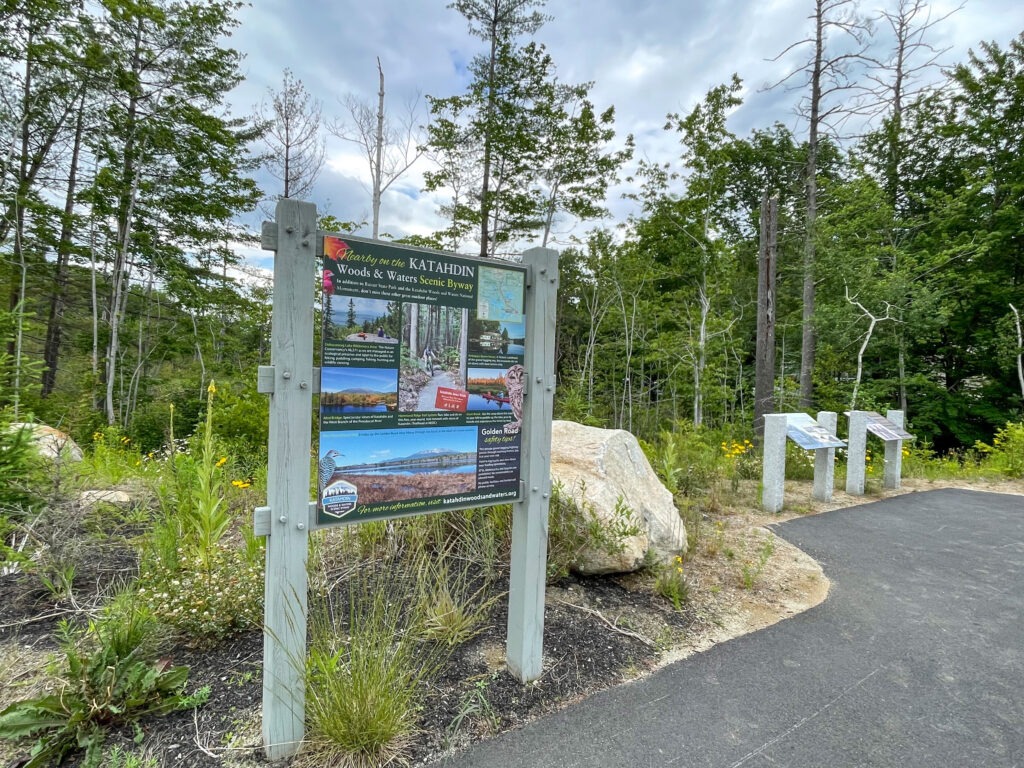
A great example is “The Lakes” pullout on the Katahdin Woods & Waters National Scenic Byway in Maine. Located near the entrance to Baxter State Park, the wayside not only introduces the byway, but it also encourages travelers to explore the full 89-mile route and visit nearby communities.
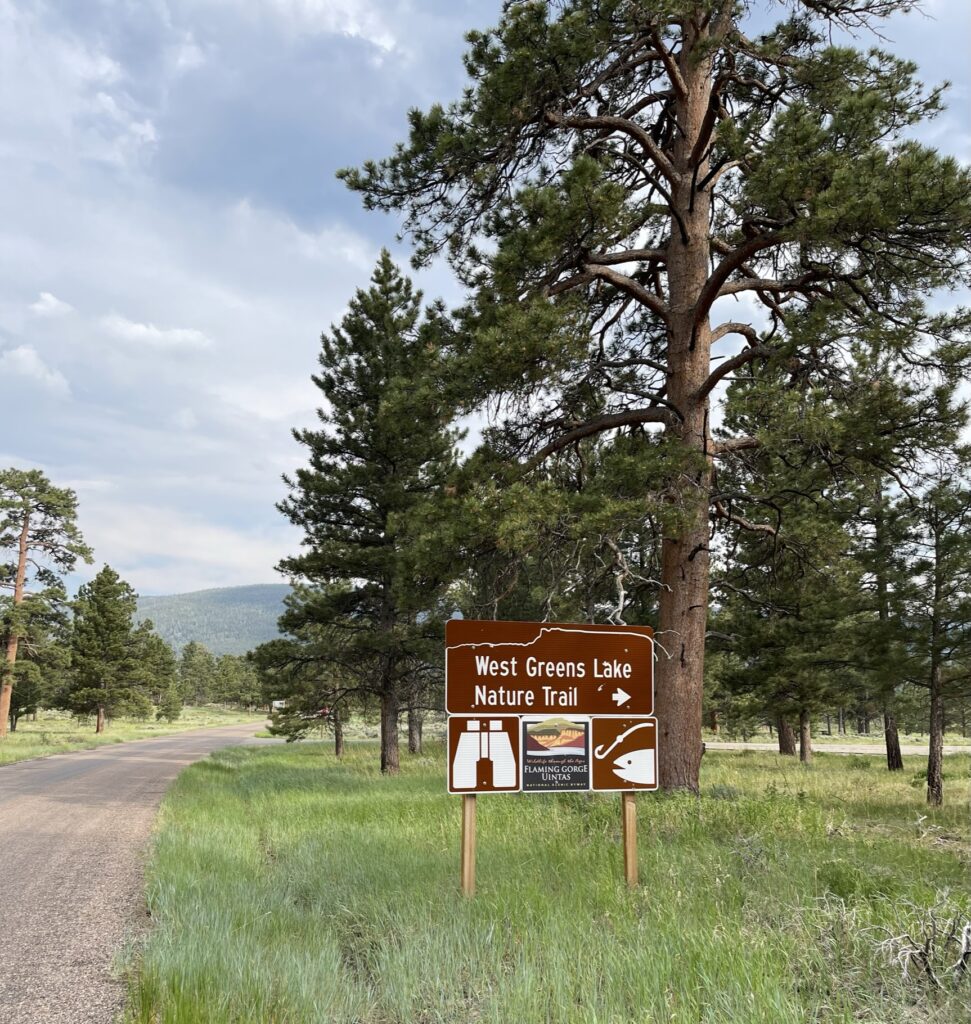
To make sure these waysides are not missed, advance signage and consistent branding, like that found along the Flaming Gorge–Uintas National Scenic Byway in Utah, can make a big difference.
Don’t Forget Your Repeat Visitors
Many travelers cite family traditions, childhood memories, or past experiences as their reason for returning to a byway. But these repeat visitors may not look up new information before traveling.
This is where social media comes in.
- Promote your social media accounts along the route to help keep returning visitors informed about seasonal events, new attractions, or road conditions.
- Collaborate with local businesses like orchards, farm stands, or popular trailheads to cross-promote your byway’s online presence.
Final Thought: Plan for All Travelers
Every byway visitor is different. Some meticulously plan their trip. Others stumble across the route by chance. Some return year after year with little need for maps. That’s why, during corridor management planning, it’s important to view the experience through the eyes of all travelers and ensure that your strategies include spontaneous explorers, first-time visitors, and longtime fans alike.